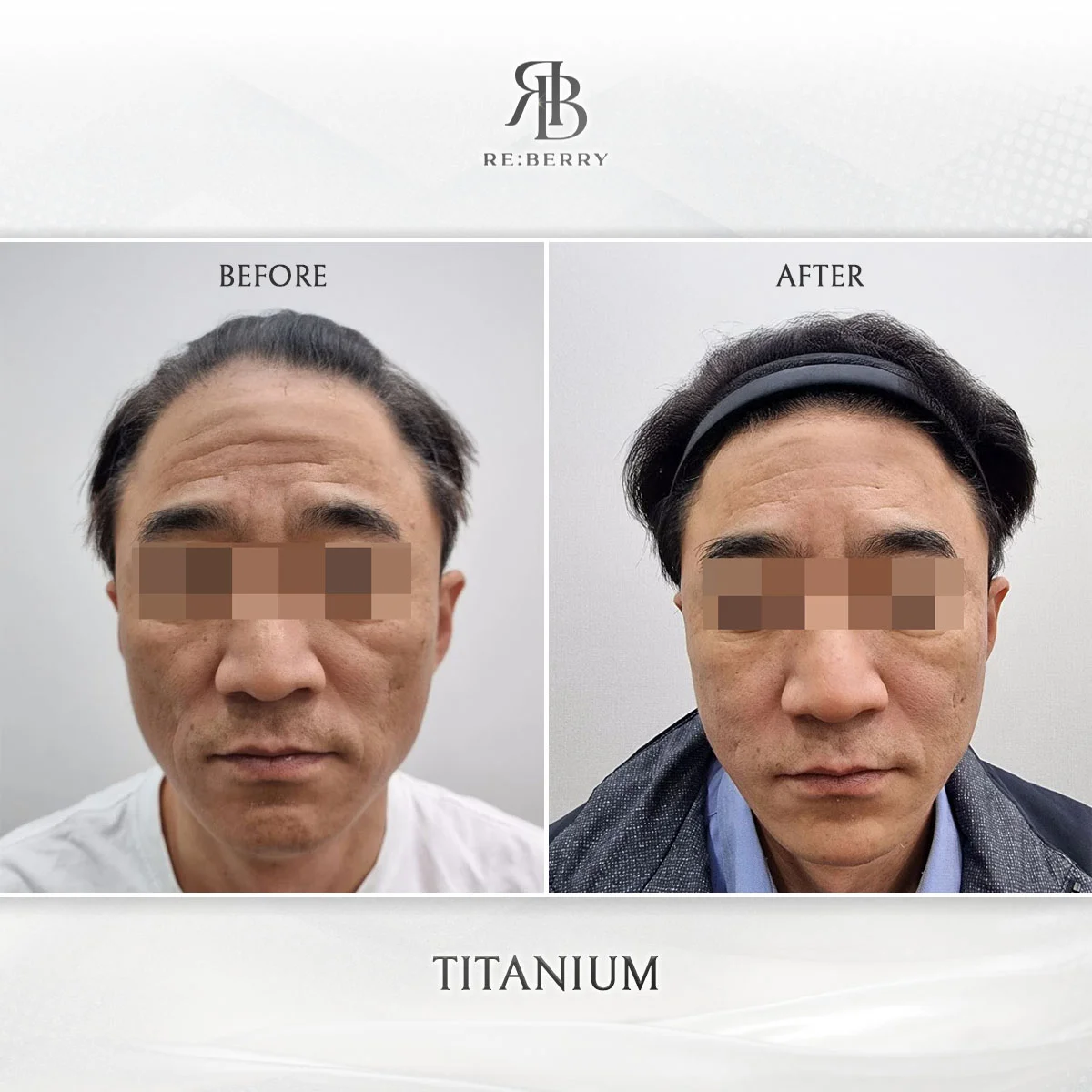
How Non-Surgical Face Lift Works
Non-surgical face lift refers to a category of energy-based treatments that address skin laxity and sagging without surgical incisions, general anesthesia, or extended recovery periods. These procedures target the dermal and subdermal tissue layers using focused energy to stimulate collagen and elastin production, producing a gradual tightening and lifting effect over weeks to months.
The primary mechanism involves controlled thermal injury to deep tissue. When focused ultrasound or radiofrequency energy heats collagen fibers to 60-70 degrees Celsius, the proteins denature and contract immediately. This initial contraction triggers a wound-healing cascade that generates new collagen over the following 90-180 days. The result is progressive skin tightening that peaks at approximately 3 months post-treatment.
Key Face Lift Technologies Available in Gangnam
Focused Ultrasound: Ultherapy
Ultherapy remains the only FDA-cleared non-invasive procedure specifically indicated for lifting the eyebrow, chin, and neck. It delivers micro-focused ultrasound energy to the SMAS layer at 4.5mm depth, the same anatomical plane addressed during surgical facelifts. A standard full-face protocol involves 300-530 shots delivered over 60-90 minutes. Clinical studies report a 1-2mm brow lift measurable at 6 months. Fioramonti P et al. Aesthet Surg J. 2014;34(3):NP22-NP28. doi:10.1177/1090820x14527603
Synchronous Ultrasound: Sofwave
Sofwave uses parallel beam ultrasound at 1.5mm depth to heat the mid-dermis at 3 focal zones simultaneously. A session of 100-200 shots takes 30-45 minutes with minimal discomfort. This technology complements deeper treatments like Ultherapy by addressing dermal laxity rather than subdermal structures.
Radiofrequency devices including Thermage and Onda deliver volumetric heating to different tissue depths. Thermage uses monopolar RF to heat the full dermis at 2-3mm, while Onda employs coolwaves microwave technology at 2.45 GHz to target subcutaneous fat and fibrous septae. Multi-device protocols combine these technologies in a single session to treat every tissue layer from superficial dermis to deep SMAS.
Who Benefits from Non-Surgical Face Lift
Ideal candidates are adults aged 30-65 with mild to moderate skin laxity who prefer to avoid surgery. Patients with early jowling, loss of jawline definition, mild neck sagging, or drooping brows see the most dramatic improvement. The Merz Aesthetics Scale classifies facial sagging from grade 0 to 4; non-surgical lifting performs best for grades 1-2, producing visible improvement without the risks of surgical intervention.
Contraindications include active skin infections, open wounds at the treatment site, metal implants in the facial area, and pregnancy. Patients with severe grade 3-4 sagging generally require surgical intervention for meaningful correction. A consultation with an aesthetic medicine specialist determines the appropriate approach based on tissue assessment and patient goals.
What to Expect During and After Treatment
A multi-layer face lift session typically lasts 60-120 minutes. Practitioners apply ultrasound gel and use real-time imaging to visualize tissue layers before delivering energy. Patients experience a warm, tingling sensation with occasional brief discomfort during energy delivery. No anesthesia is required for most protocols, though some clinics apply topical numbing cream 30 minutes prior.
Recovery involves mild redness and swelling lasting 2-4 hours. Some patients report slight tenderness to touch for 1-2 weeks. There are no incisions, sutures, or bandages. Normal activities resume immediately, with strenuous exercise restricted for 24-48 hours. Initial tightening is visible within 1-2 weeks, with progressive improvement continuing for 3-6 months as new collagen matures.
Expected Results and Longevity
Non-surgical face lift results vary by device combination and individual tissue response. Single-modality treatments produce moderate improvement lasting 6-12 months. Multi-layer protocols combining Ultherapy with Sofwave and radiofrequency achieve more comprehensive lifting with results lasting 12-24 months. RE:BERRY Gangnam Aesthetic Medicine Specialist Yoon-Gon Ryu employs multi-depth protocols to maximize collagen stimulation across all tissue layers.
Maintenance sessions every 12-18 months sustain results by reinforcing collagen before significant degradation occurs. Studies indicate that patients who maintain a consistent treatment schedule experience cumulative improvement over 3-5 years, as each session builds upon residual collagen from prior treatments. Results are most pronounced in patients who combine energy-based lifting with skin quality treatments such as skin boosters or polynucleotide injections.